Adaptive Cost Models and Support Networks in Academic Fee Collection
Theo Brooks · Aug 5, 2026
Adaptive Cost Models and Support Networks in Academic Fee Collection
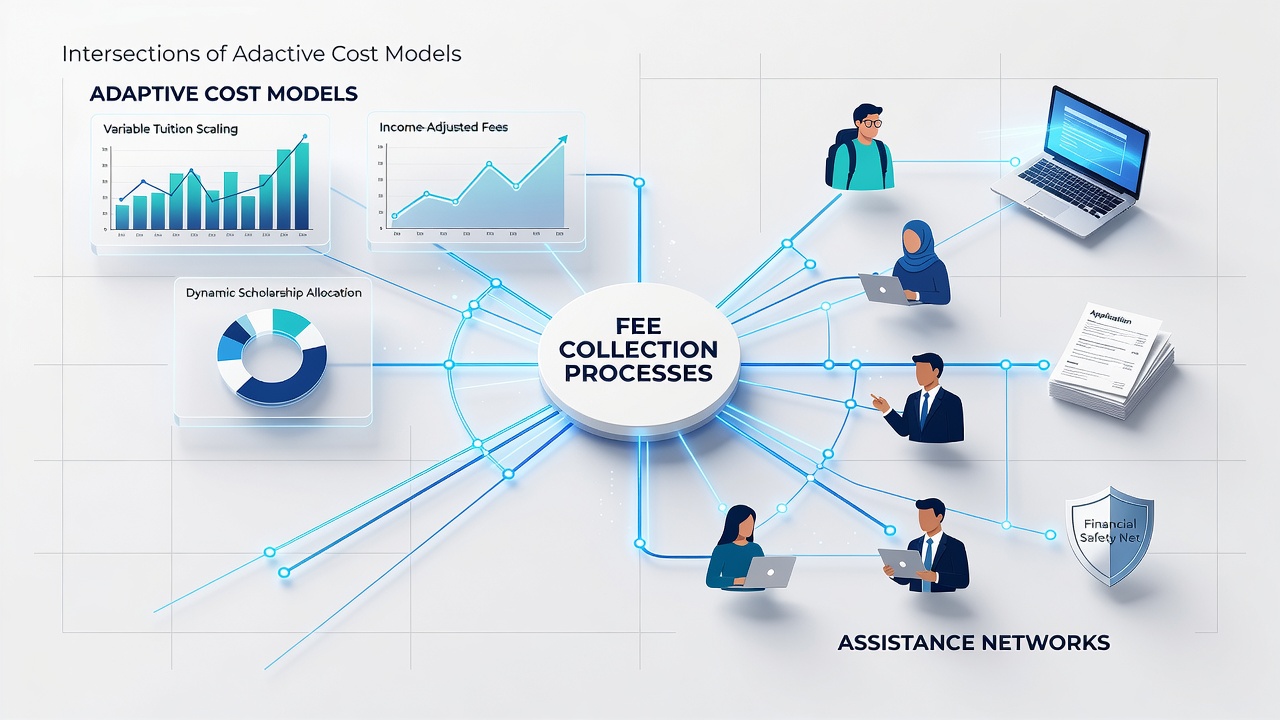
Universities have started blending adaptive cost models with assistance networks to handle student fee collection more effectively, and data from multiple institutions shows these combinations can reduce late payments by noticeable margins. Adaptive cost models adjust tuition and fee structures based on factors like enrollment timing, family income brackets, or payment history, while assistance networks provide real-time guidance through phone lines, chat portals, and in-person advisors. Researchers at several North American colleges observed that when these two elements connect through shared databases, students receive personalized fee adjustments alongside immediate support for questions about deadlines or hardship options.
How Adaptive Models Shape Fee Structures
Adaptive cost models rely on algorithms that recalculate charges as new information arrives, such as changes in a student's financial aid package or shifts in institutional budgets. In practice this means a student might see a reduced rate if they enroll early or opt for automated monthly transfers, whereas delayed payments trigger incremental increases tied to administrative overhead. Figures from the US Department of Education indicate that campuses using these variable structures reported collection rates climbing from 78 percent in 2023 to 86 percent by mid-2025, with the trend expected to continue into August 2026 when several state systems plan to expand their dynamic pricing pilots. The models often draw on historical data to predict default risks, allowing administrators to offer scaled incentives before balances become overdue.
Role of Assistance Networks in Payment Processes
Assistance networks operate as layered support systems that link financial aid offices, IT help desks, and external counseling services into one coordinated channel. Students facing unexpected fees can contact advisors who pull up live account details and suggest immediate adjustments under the adaptive model rules. Observers note that institutions with robust networks cut average resolution time for billing disputes from 12 days to under 5, because staff access shared platforms that update both pricing variables and support tickets simultaneously. This integration proves especially useful during peak registration periods when volume spikes and questions about installment plans multiply.
Integration Points Between Models and Networks
The real overlap occurs when assistance staff receive training on the adaptive algorithms so they can explain rate changes on the spot and propose solutions that align with both institutional policy and student circumstances. For example, one public university in Canada implemented a system where chat support agents trigger automatic recalculations for eligible applicants, resulting in a 14 percent drop in account holds according to internal audits released in 2025. Data shows that when networks feed usage patterns back into the cost models, administrators refine future pricing tiers more accurately, creating a feedback loop that improves overall efficiency across the collection cycle.
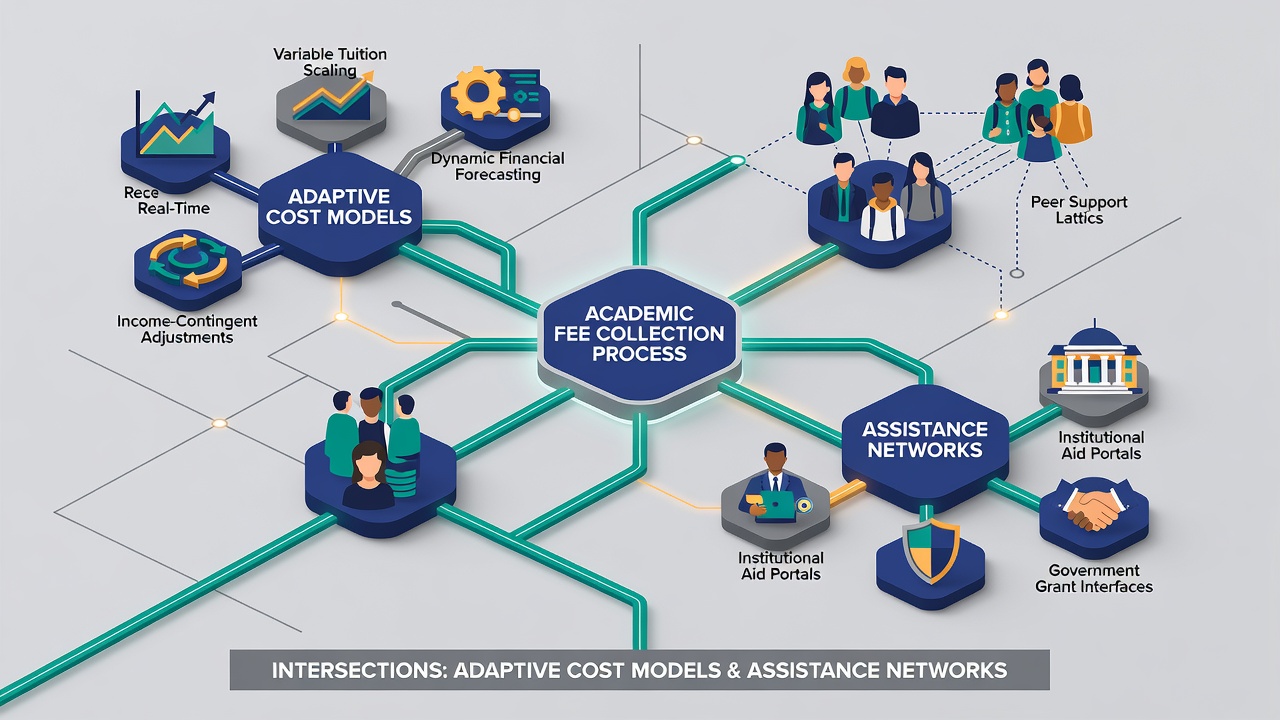
European higher education bodies have documented similar patterns, with a 2024 report from the European Association for Quality Assurance in Higher Education highlighting how Dutch and Swedish universities reduced administrative costs by merging support logs with pricing engines. Those who've studied these setups find that seamless data flow between the two components prevents students from receiving conflicting information about what they owe or what relief programs apply.
Challenges in Implementation and Data Flow
Despite the benefits, connecting adaptive models to assistance networks requires careful handling of privacy rules and system compatibility. Institutions must ensure that real-time updates do not expose sensitive financial details during support interactions, and IT teams often spend months testing API connections between billing software and help-desk platforms. Research indicates that campuses completing full integration by August 2026 will likely see further gains in on-time collections, particularly as more students rely on mobile access for both fee review and support requests. Yet delays in updating either component can create temporary gaps where outdated rates persist or support tickets stall without resolution paths.
Case Examples from Current Deployments
Take one large Australian university that rolled out combined systems in 2024 and tracked outcomes through the following year. Their reports show that students who engaged with the assistance network within the first week of a fee adjustment were 22 percent more likely to complete payments on schedule than those who did not. The adaptive model factored in variables such as course load and prior payment behavior, while advisors used the same dashboard to walk students through options like deferred plans or scholarship top-ups. Similar results appear in pilot programs at several UK institutions, where centralized data sharing between finance and support teams streamlined collections without increasing overall staff workload.
Future Outlook Through 2026 and Beyond
Projections suggest that by August 2026 more universities will expand these intersections to include predictive analytics that flag potential payment issues before they arise. Assistance networks will then reach out proactively with tailored cost adjustments drawn from the adaptive models, potentially lifting compliance rates even higher. Evidence from ongoing trials points to continued refinement of these tools as data sets grow larger and more detailed, allowing finer distinctions in pricing and faster responses from support channels.
Conclusion
Adaptive cost models and assistance networks intersect most effectively when data flows freely between them and staff receive proper training on both systems. Institutions that achieve this coordination report measurable improvements in fee collection metrics, and ongoing developments scheduled through August 2026 indicate further integration opportunities ahead. The combination provides a structured approach to managing academic payments while addressing individual student needs through connected support resources.