5 Jun 2026
Bridging Device Innovations with Adaptive Billing Structures in Service-Based Networks
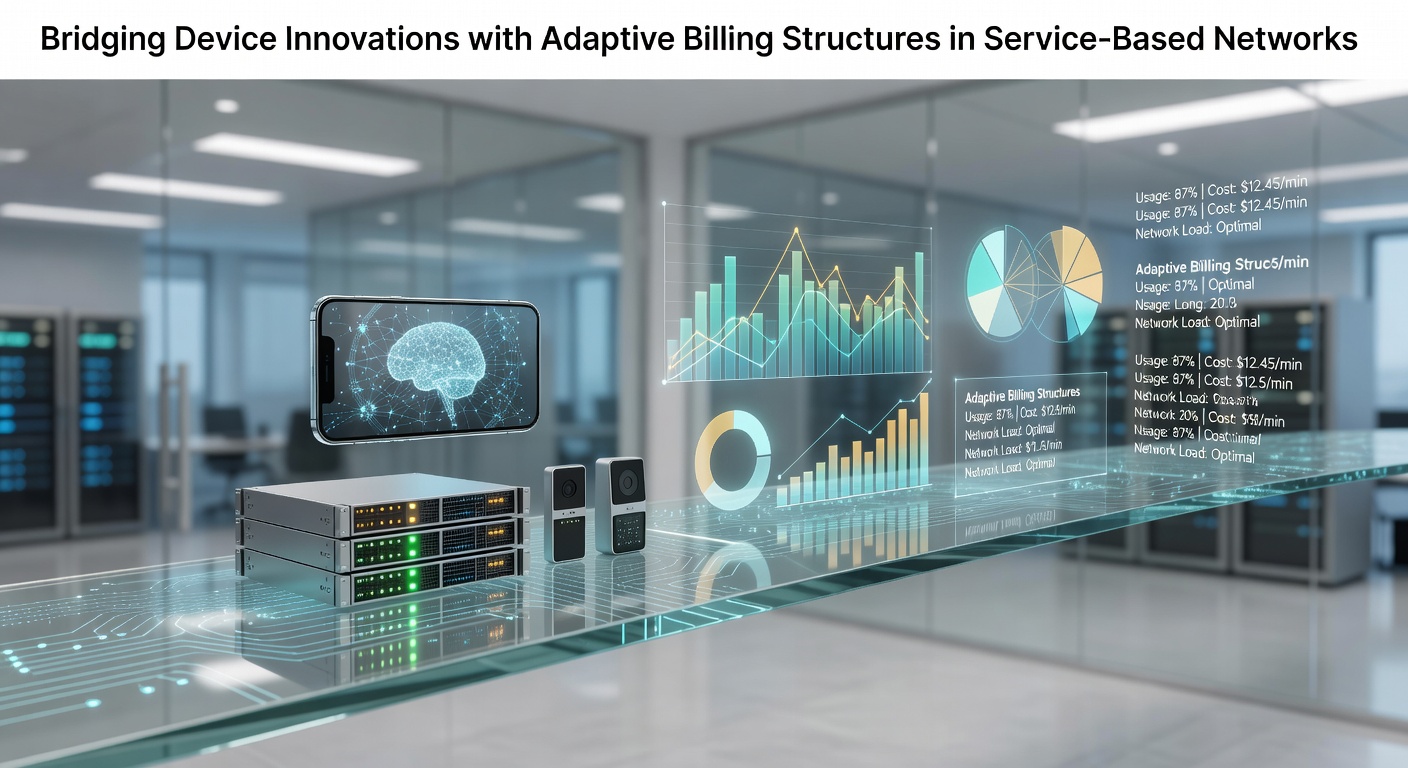
Service-based networks now integrate device innovations with billing systems that adjust in real time to usage patterns and network demands, and this combination supports everything from connected sensors in industrial settings to consumer IoT gadgets that transmit data continuously. Device manufacturers have introduced hardware capable of handling multiple connectivity protocols simultaneously, while billing platforms use algorithms that recalculate charges based on factors such as data volume, latency requirements, and service tier selections.
Device Capabilities Driving Network Changes
Modern devices incorporate edge computing modules that process information locally before sending summaries to central servers, and this reduces the load on core networks while allowing billing engines to track only the transmitted portions rather than every raw packet. Research from the GSMA indicates that deployments of such devices grew substantially through 2025, with projections showing continued expansion into mid-2026 as 5G-Advanced standards enable finer control over resource allocation.
Operators have observed that devices equipped with embedded SIM technology switch between carriers without manual intervention, and adaptive billing structures accommodate these shifts by applying region-specific rates automatically. Data collected in field trials shows that this seamless handover cuts downtime for service users and lets providers maintain consistent revenue streams across borders.
Adaptive Billing Mechanisms in Practice
Billing systems in service-based networks rely on policy engines that evaluate session data against predefined rules, then apply discounts or surcharges when thresholds are crossed. These engines pull inputs from device telemetry feeds, which include metrics on battery status, signal strength, and application type, to generate charges that reflect actual resource consumption rather than flat monthly fees. In June 2026 several network operators began rolling out updates that tie billing adjustments directly to device-reported quality-of-service indicators.
Usage-based models have replaced many legacy subscriptions because they align costs with delivered value, and service providers report higher customer retention when bills fluctuate transparently with usage. Software updates pushed over the air allow billing logic to evolve alongside device firmware, ensuring that new sensor types or connectivity modes receive appropriate rate treatment without requiring separate account reconfiguration.
Integration Points Between Hardware and Billing Layers
Application programming interfaces serve as the primary bridge, exposing device status events to billing platforms so that charges can be recalculated within seconds of a detected change. For instance, when a device moves into a congested cell, the network signals the billing system to apply congestion pricing only for the affected session rather than the entire account. Observers note that this granular approach prevents bill shock while still compensating operators for peak-period capacity.

Security protocols embedded in both devices and billing software protect the data flows that carry pricing instructions, and encryption standards adopted by major vendors ensure that rate tables remain tamper-proof during transmission. Industry reports highlight that multi-factor authentication at the device level further reduces disputes over unauthorized usage, because every data session carries cryptographic proof of origin.
Operational Examples Across Sectors
Utility companies deploying smart meters now receive billing data directly from the meters themselves, and the adaptive structures adjust rates based on time-of-use tariffs that reflect real-time grid conditions. Similar patterns appear in logistics fleets where vehicle trackers trigger billing events tied to mileage, fuel efficiency, and route optimization data. These implementations demonstrate how device-level innovations feed directly into revenue assurance processes without intermediate manual review.
Healthcare networks illustrate another application, where wearable monitors stream patient metrics and trigger billing only when data packets exceed certain clinical relevance thresholds. The approach keeps costs predictable for providers while capturing the variable nature of monitoring intensity across different patient cohorts.
Technical Standards Supporting the Connection
Standards bodies have published specifications that define how device capability descriptions map to billing descriptors, allowing plug-and-play integration across vendors. These specifications cover metadata fields for expected data rates, power consumption profiles, and supported quality-of-service classes, all of which billing systems interpret to generate accurate invoices. Compliance testing programs verify that devices and billing platforms interpret the same descriptors consistently before deployment.
Network slicing technology further refines this linkage by dedicating virtual network segments to specific device classes, and billing engines apply distinct rate cards to each slice. This separation enables service providers to offer differentiated pricing for mission-critical versus best-effort traffic without physical network changes.
Conclusion
Device innovations continue to supply richer telemetry that adaptive billing structures convert into precise charges, and the resulting systems support scalable service delivery across expanding device populations. Continued alignment between hardware capabilities and billing logic will determine how efficiently service-based networks accommodate future connectivity demands.