3 Jun 2026
Connecting Automated Billing Solutions with Robust Protection Mechanisms for Educational Institutions Managing Student Fees
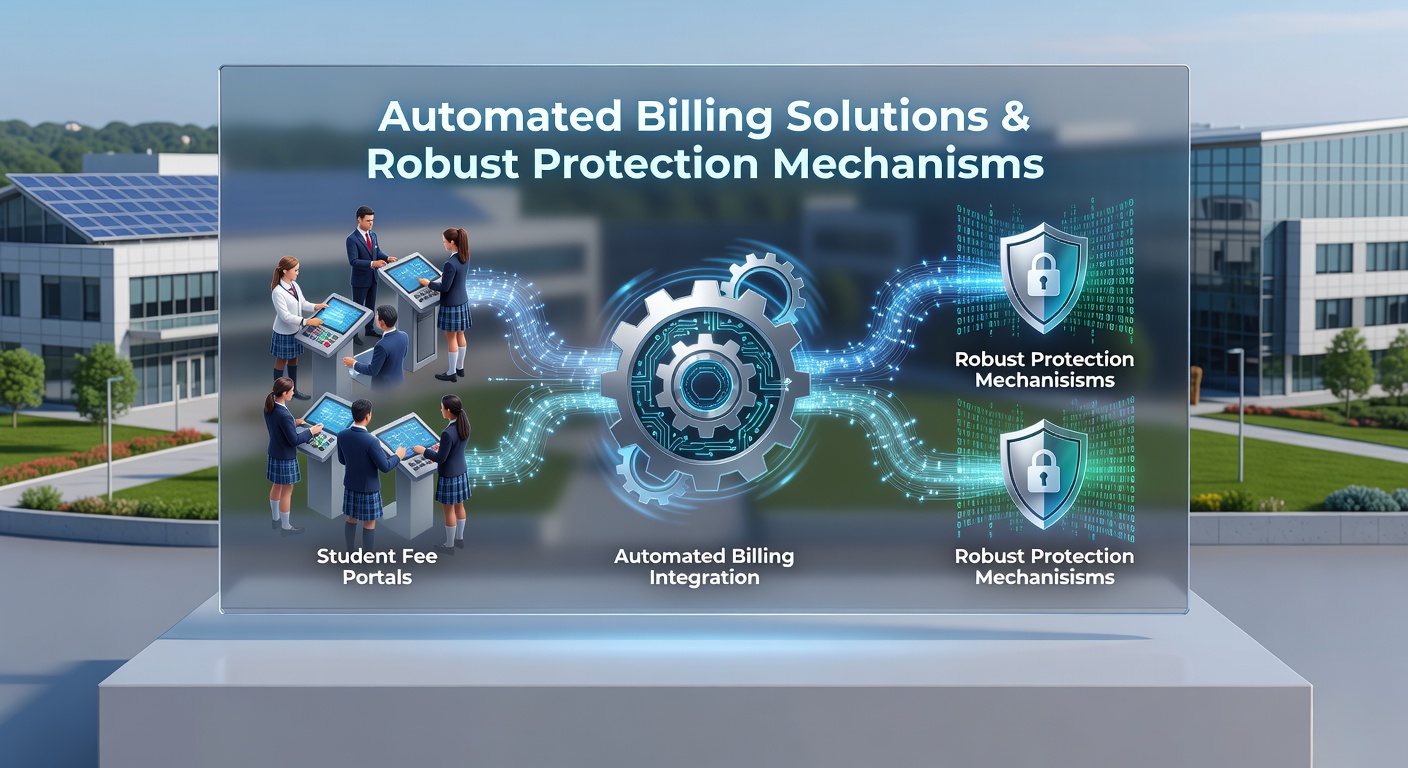
Educational institutions face ongoing demands to streamline student fee collection while safeguarding sensitive financial data, and automated billing solutions paired with layered protection mechanisms address both needs through integrated platforms that handle recurring payments and real-time threat detection. Systems now connect student information databases directly to payment processors, allowing tuition, housing, and activity fees to process on scheduled cycles without manual intervention each term.
Automated Billing Frameworks in Higher Education Settings
Universities and colleges deploy automated billing tools that pull enrollment data, apply fee structures, and generate invoices across multiple student accounts simultaneously, while these platforms reduce administrative overhead by syncing with registrar systems and financial aid records. Data from the National Center for Education Statistics shows that institutions managing over 10,000 students process millions in annual fees, with automation cutting processing times from weeks to hours in many documented cases. Connections between billing engines and student portals let families view itemized charges and set up payment plans through secure portals that update balances instantly upon each transaction.
Integration Points with Existing Campus Systems
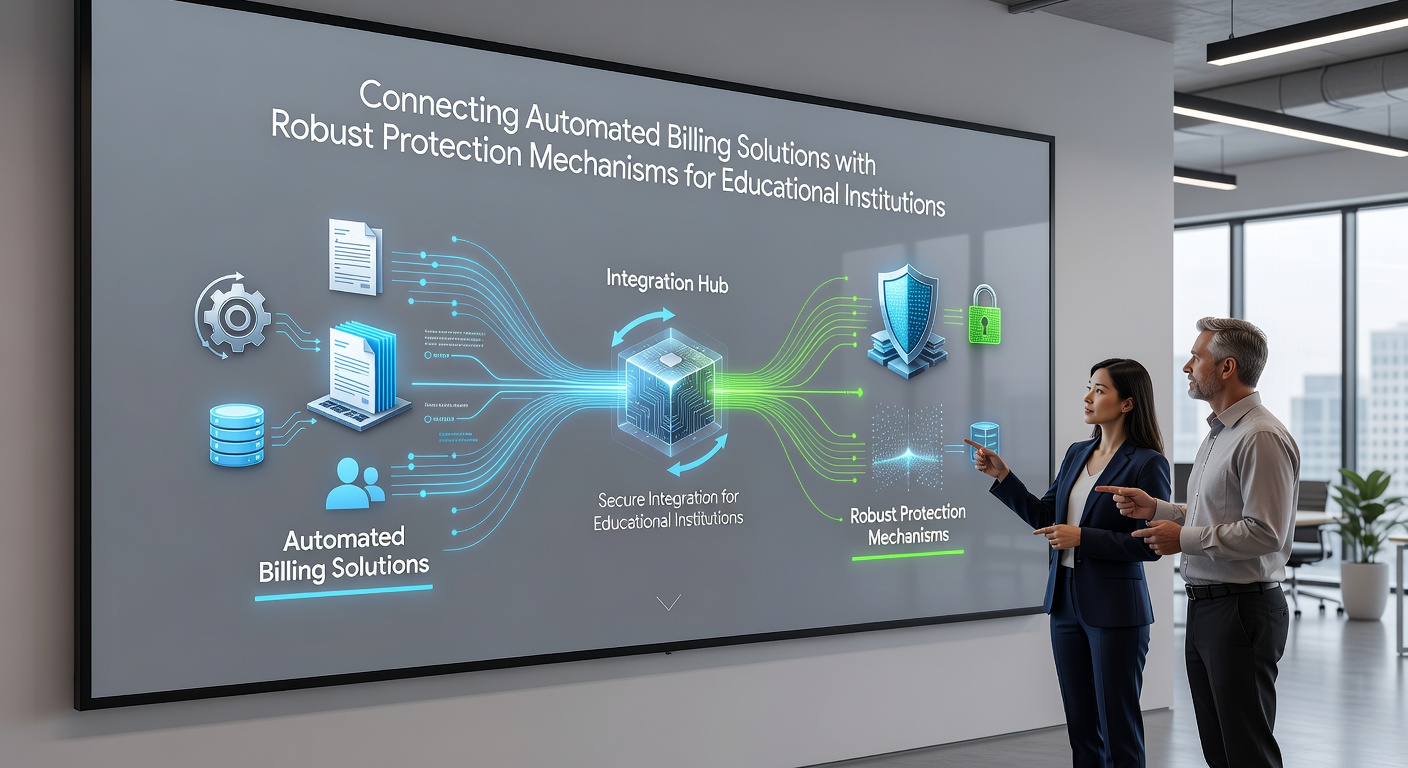
Developers link automated billing modules to enterprise resource planning software already in use at most campuses, creating seamless data flows that flag overdue accounts and trigger reminder sequences without staff involvement. These integrations rely on standardized APIs that encrypt data in transit and at rest, ensuring compliance with regulations such as FERPA in the United States and similar privacy frameworks elsewhere. Institutions report that such connections allow simultaneous handling of domestic and international student payments, accommodating different currencies and bank networks through unified dashboards.
Layered Security Protocols Supporting Fee Management
Robust protection mechanisms combine encryption standards, multi-factor authentication, and continuous monitoring to shield student financial records during automated collections. Payment gateways incorporate tokenization that replaces account numbers with unique identifiers, limiting exposure even if a breach occurs downstream. Research from the OECD education indicators project indicates rising adoption of these safeguards across member countries, particularly as digital fee collection volumes grew steadily through 2025 and into mid-2026.
Behavioral analytics engines track transaction patterns across thousands of student accounts, flagging anomalies such as sudden large transfers or mismatched locations for further review before funds move. Institutions that adopted these tools in 2025 noted measurable drops in disputed charges, while the same systems support refund processing that maintains audit trails for regulatory examinations. And because monitoring operates continuously, alerts reach security teams within seconds rather than after batch reviews.
Practical Implementations Across Diverse Campuses
Community colleges in North America have paired automated recurring billing with device-based authentication to serve students who rely on mobile devices for most interactions, whereas larger research universities often extend these frameworks to include parent-authorized accounts and scholarship disbursements. One documented rollout at an Australian technical institute connected billing automation to government loan systems, allowing automatic fee deductions once enrollment confirmed eligibility, and the process reduced manual reconciliation steps by over half according to internal metrics shared in industry reports. European institutions similarly integrated protections aligned with GDPR requirements, ensuring cross-border data handling met regional standards without separate compliance layers for each payment cycle.
Handling Edge Cases in Fee Collection
Automated solutions now accommodate deferred payment arrangements, installment schedules, and hardship adjustments through configurable rules engines that apply interest or waivers based on predefined criteria. Security protocols extend to these variable structures by requiring additional verification steps for any changes exceeding set thresholds, and audit logs capture every adjustment for later review. Observers note that such flexibility helps institutions maintain steady cash flow even when enrollment patterns shift mid-semester, while protection layers prevent unauthorized modifications that could affect revenue projections.
Developments Expected by June 2026
By June 2026, updates to payment card industry standards are projected to require enhanced tokenization across all recurring education billing platforms, prompting many institutions to upgrade existing connections between their core systems and external processors. Early adopters already testing these enhancements report improved interoperability with emerging digital wallet options popular among younger students, while maintaining the same encryption and monitoring safeguards. Figures from sector analyses suggest that institutions completing these upgrades ahead of deadlines experience fewer service interruptions during peak registration periods.
Conclusion
Educational institutions continue to refine connections between automated billing solutions and protection mechanisms as student fee volumes expand and regulatory expectations evolve, with the result being more reliable collection processes backed by verifiable security controls. These integrated approaches support operational efficiency while preserving the confidentiality required for financial records tied to academic participation, and ongoing refinements keep pace with both technological advances and compliance demands across regions.