17 Jun 2026
How Payment Gateways Enable Secure Instant Transfers in Fitness Subscriptions
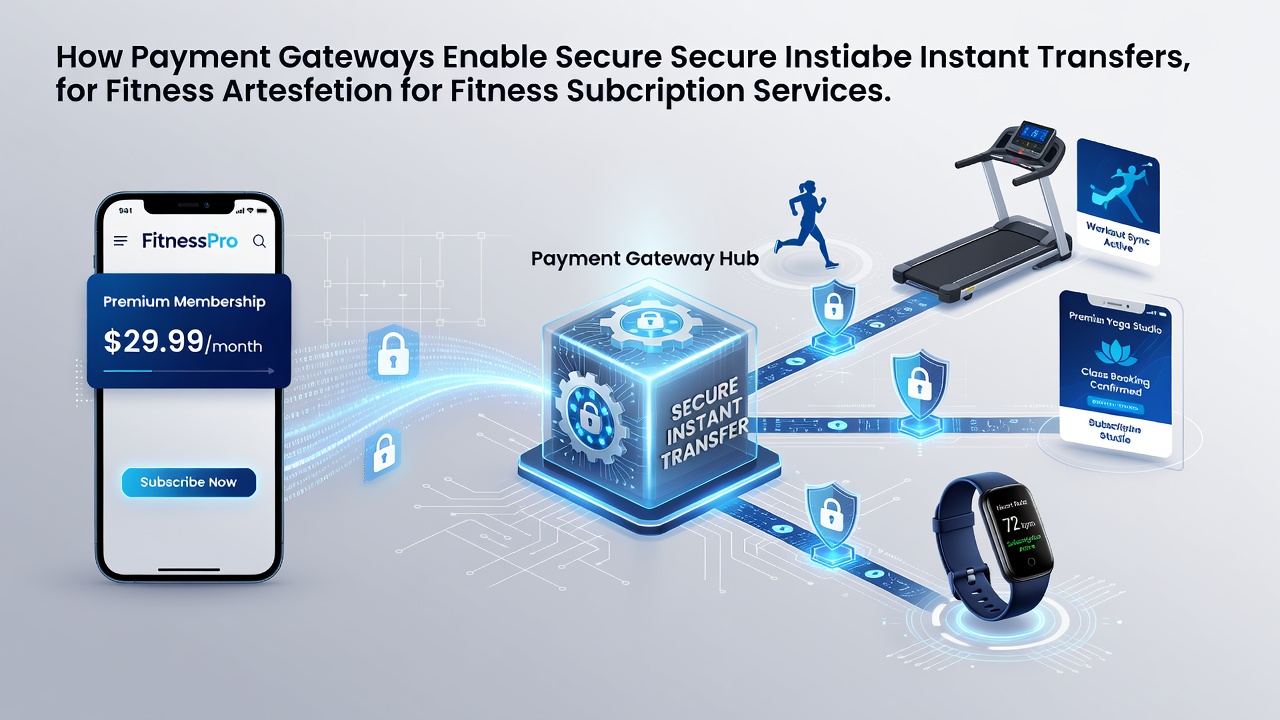 Payment gateways process recurring billing for fitness services by connecting merchant accounts with banking networks, and they authorize charges while encrypting data during each transaction cycle. In the fitness sector, platforms handle monthly memberships for gyms, yoga studios, and digital coaching apps where users expect seamless renewals without manual intervention.
Core Mechanisms Behind Gateway Operations
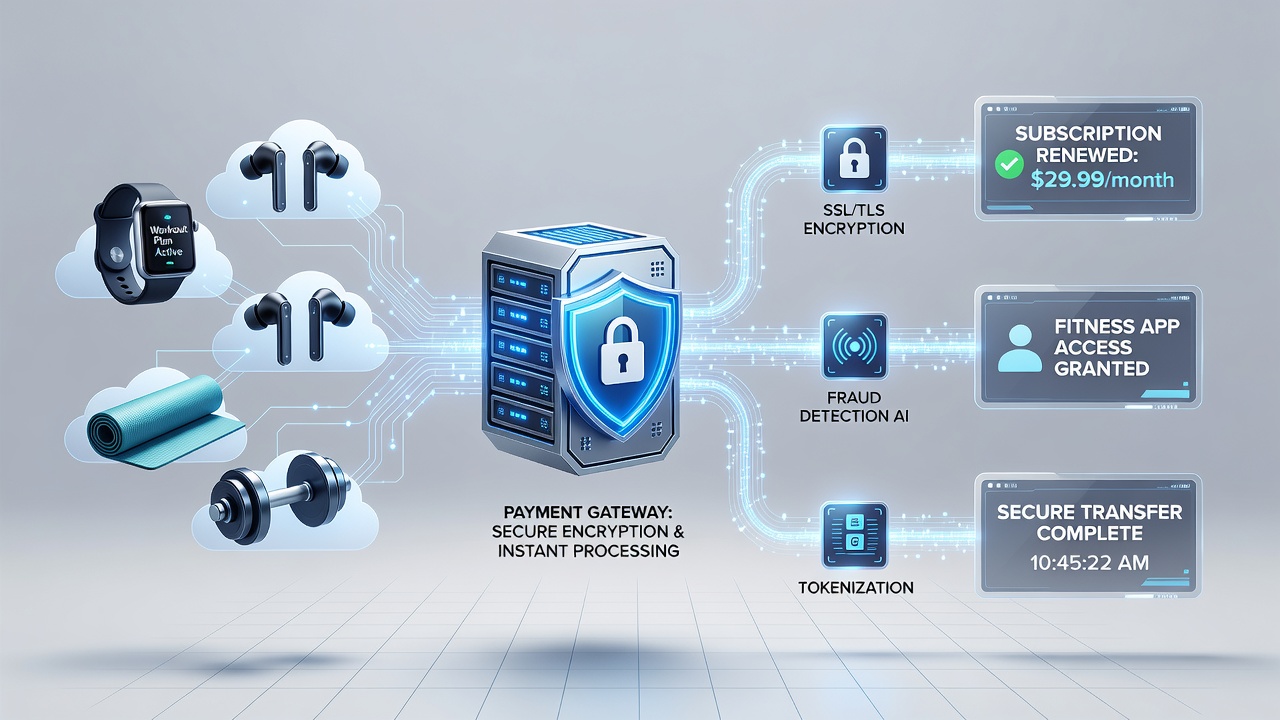
Gateways receive payment details from fitness apps or point-of-sale systems, then validate card information against issuer databases before approving or declining requests in seconds. Tokenization replaces sensitive account numbers with unique identifiers that merchants store for future billing cycles, which reduces exposure during data breaches. Researchers at payment security firms note that this approach complies with standards set by the PCI Security Standards Council, while also supporting region-specific rules such as those outlined in Canada's Payments Association guidelines for electronic funds transfers.
Security Layers Protecting Subscription Data
Multi-factor authentication combined with machine learning models flags unusual activity patterns, such as sudden geographic shifts in login locations for fitness app users. End-to-end encryption secures data flows between member devices and processing servers, whereas real-time fraud scoring evaluates transaction velocity against historical member behavior. Observers tracking industry reports indicate that gateways integrated with EMVCo protocols further strengthen authentication for contactless payments common at gym entrances and through wearable devices.
Instant Transfer Capabilities for Recurring Collections
Once authorization succeeds, gateways initiate settlement processes that move funds into merchant accounts within hours rather than days, which helps fitness businesses manage cash flow for equipment leases and instructor payrolls. Automated retry logic handles declined transactions by scheduling follow-up attempts during optimal windows, and dynamic pricing adjustments accommodate promotional rates for new members without manual recalculations. Data from the European Central Bank shows that instant payment schemes introduced across EU markets have accelerated settlement times for subscription-based services including wellness platforms.
Integration with Fitness Industry Tools
Many studios connect gateways directly to membership management software that tracks attendance, class bookings, and usage metrics while triggering automated billing on renewal dates. APIs allow seamless incorporation of features like prorated charges for mid-cycle upgrades to premium tiers or family plans. Those managing high-volume operations in June 2026 report expanded support for buy-now-pay-later options that spread annual membership costs across installments while maintaining compliance with consumer protection regulations in Australia under the Australian Securities and Investments Commission framework.
Handling Volume Spikes and Edge Cases
Peak periods around New Year resolutions or summer fitness challenges generate transaction surges that gateways accommodate through scalable cloud infrastructure and load balancing. Failed payments trigger member notifications via email or app alerts, giving users time to update card details before service interruption occurs. Case examples from mid-sized chains reveal that layered verification steps during these spikes maintain approval rates above 95 percent without compromising security checks.
Compliance and Regulatory Alignment
Gateways adhere to data residency requirements in various jurisdictions, ensuring member information stays within approved geographic boundaries during processing. Regular audits verify adherence to evolving standards, and updates in 2026 incorporate new verification methods for open banking connections that let fitness apps pull account details directly with user consent. Industry analyses from research institutions highlight reduced dispute rates when gateways incorporate strong customer authentication protocols mandated under revised EU directives.
Conclusion
Payment gateways continue to streamline secure recurring collections for fitness subscriptions through tokenization, encryption, and rapid settlement features that align with operational needs across studios and digital platforms. Continued advancements in fraud detection and regulatory compliance support reliable service delivery as membership models evolve.