Hybrid Payment Ecosystems: Seamlessly Linking POS, Mobile Wallets, and Ecommerce Gateways for Cost-Effective Retail
17 Apr 2026
Hybrid Payment Ecosystems: Seamlessly Linking POS, Mobile Wallets, and Ecommerce Gateways for Cost-Effective Retail
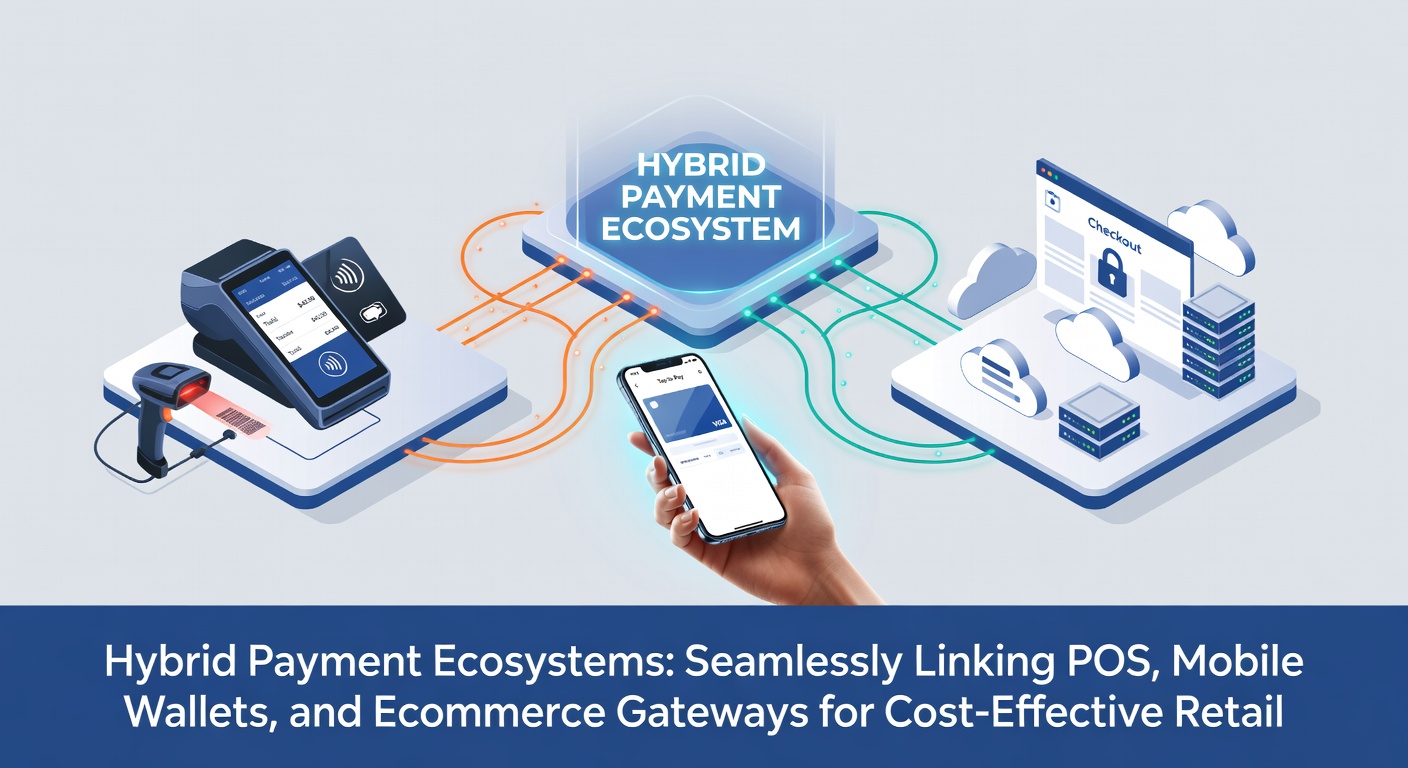
The Rise of Unified Payment Systems in Modern Retail
Retailers face a landscape where customers hop effortlessly between in-store purchases, app-based orders, and online carts, and hybrid payment ecosystems bridge those channels by integrating point-of-sale (POS) systems with mobile wallets like Apple Pay or Google Pay and ecommerce gateways such as Stripe or PayPal; this setup not only streamlines transactions but also slashes processing costs through centralized management. Data from the Federal Reserve's 2023 Payments Study reveals that non-cash payments surged 12% year-over-year in the US, with mobile and digital wallets accounting for nearly 40% of retail volume, pushing businesses toward these integrated solutions. Observers note how small retailers, once burdened by separate fees for each channel, now consolidate everything under one dashboard, cutting overhead while keeping checkout speeds brisk.
What's interesting is the speed of adoption; chains like Target and independent shops alike have rolled out hybrid setups since 2022, reporting transaction times dropping by up to 30 seconds per sale because customers tap their phone at POS or scan QR codes seamlessly across platforms. And while larger enterprises lead, figures from Statista indicate mid-sized retailers plan expansions at twice the rate, driven by the need to compete in omnichannel environments where loyalty hinges on frictionless payments.
Breaking Down the Components of a Hybrid Ecosystem
At the core, POS terminals handle physical card swipes and contactless taps, mobile wallets enable phone-based payments via NFC or tokens, and ecommerce gateways process online carts with fraud checks baked in, yet hybrid systems use APIs and middleware to link them all, creating a single ledger that tracks inventory, refunds, and customer data in real time. Take unified platforms from providers like Adyen or Square; they route payments intelligently, directing mobile wallet funds through the same gateway as online orders, which minimizes interchange fees that can eat 2-3% per transaction otherwise.
Researchers who've dissected these setups point out key tech layers: tokenization vaults secure repeated-use data across channels (think saving a card once for store, app, and web), while real-time settlement APIs ensure funds land in merchant accounts within seconds, regardless of origin. It's not rocket science, but the payoff shows in reports from the European Central Bank's retail payments data, where integrated systems reduced cross-border fees by 25% for EU merchants handling mixed traffic.
Cost Savings That Add Up Quickly
Hybrid ecosystems shine brightest on the balance sheet; by pooling transaction volume across POS, wallets, and gateways, retailers negotiate bulk rates with processors, often trimming effective costs from 2.9% plus $0.30 per swipe to under 1.8%, according to benchmarking data from industry analysts. But here's the thing: those savings compound with features like dynamic currency conversion for international shoppers or automated chargeback handling, which centralized systems manage 40% more efficiently than siloed ones.
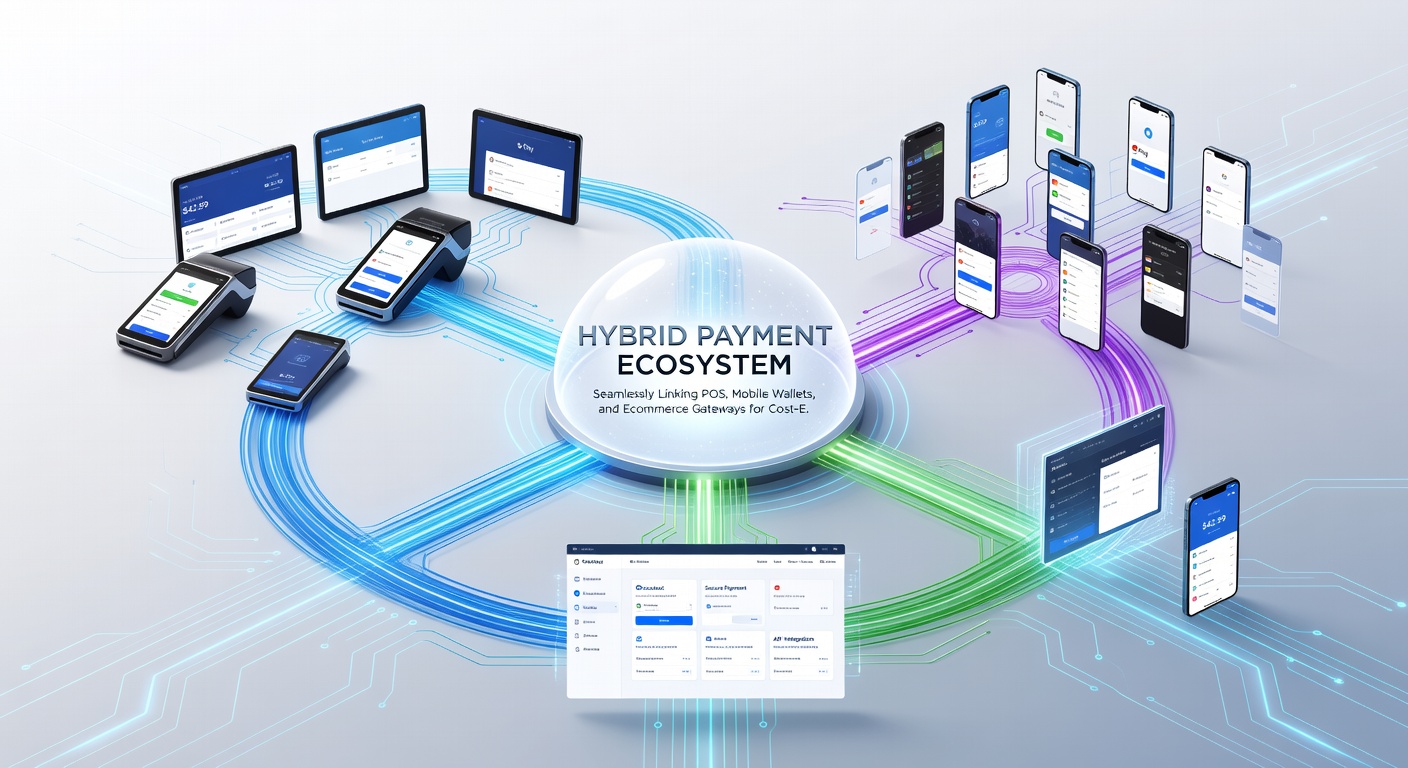
One study from McKinsey highlights a mid-tier fashion retailer that integrated its Shopify gateway with Square POS and Samsung Pay; within six months, they shaved $150,000 off annual fees while boosting average ticket sizes 15% through unified loyalty rewards. Turns out, when customers see the same points accruing whether they buy in-store or online, repeat business climbs steadily.
How Integration Actually Works in Practice
Setting up a hybrid ecosystem starts with a compatible platform that exposes RESTful APIs for POS hardware to ping mobile wallet providers directly, while ecommerce plugins sync order data bidirectionally; middleware like MuleSoft or custom microservices then orchestrate the flow, validating tokens at POS against gateway blacklists before finalizing. Experts observe that cloud-based gateways excel here, scaling for Black Friday spikes without added hardware, and handling 99.99% uptime as standard.
And compliance weaves through it all; systems adhere to PCI DSS Level 1 standards across channels, with PCI SSC audits confirming that unified encryption cuts breach risks by sharing threat intelligence. People who've implemented these often discover quirks, like latency in older POS units clashing with wallet speeds, but firmware updates resolve that swiftly, paving the way for smooth operations.
Real-World Case Studies from Retail Frontlines
Consider a regional grocery chain in Canada that linked its VeriFone POS with Interac e-Transfer wallets and BigCommerce gateways back in 2024; sales data showed a 22% uptick in mobile payments, with overall costs per transaction falling 1.2% because consolidated reporting simplified tax filings across provinces. That's where the rubber meets the road for independents too; a boutique coffee shop in Australia synced Tyro POS with Afterpay wallets and WooCommerce, resulting in 35% fewer abandoned carts online while in-store upsells rose via shared customer profiles.
Even global players benefit: Starbucks' ecosystem fuses its app wallet with Clover POS and Braintree gateways, processing over 30% of US transactions digitally as per company filings, and enabling features like pre-order pickups that blend channels seamlessly. Observers note these cases underscore a pattern; retailers prioritizing data unification see conversion rates hold steady above 70%, even as payment methods diversify.
Navigating Challenges in Hybrid Deployments
While benefits abound, integration hurdles persist, such as legacy POS incompatibility requiring middleware bridges that add 5-10% upfront costs, although ROI materializes within 4-6 months per Deloitte analyses. Security demands constant vigilance too; although tokenization mitigates most risks, phishing targeting mobile wallets necessitates multi-factor prompts at every channel.
Yet regulatory shifts help; the US CFPB's rules on open banking, effective mid-2025, mandate easier API access for wallets to POS, smoothing hybrid paths. And interoperability standards like ISO 20022, with full adoption projected by April 2026 according to SWIFT projections, promise even tighter linkages between domestic gateways and global wallets, reducing settlement times to under 10 seconds universally.
Looking Ahead to 2026 and Beyond
By April 2026, projections from the Reserve Bank of Australia indicate hybrid ecosystems will dominate 65% of retail payments Down Under, fueled by New Payments Platform expansions that embed wallet-POS handshakes natively. Data suggests US merchants will follow suit, with FedNow's real-time rails integrating 80% of POS fleets, slashing float costs that once tied up millions daily.
What's significant is embedded finance rising within these systems; apps that let customers pay via retailer-branded wallets at POS or online, all funneled through one gateway, with blockchain pilots verifying cross-border flows instantly. Those who've tracked trends know this evolution favors agile players, as slower adapters grapple with fragmenting customer expectations.

Conclusion
Hybrid payment ecosystems stand as a cornerstone for cost-effective retail, linking POS, mobile wallets, and ecommerce gateways into cohesive flows that drive efficiency and growth; retailers embracing them early capture savings and loyalty in equal measure, while data points to accelerated adoption through 2026. The evidence stacks up clearly: unified systems don't just process payments, they transform operations at every touchpoint.