7 Jun 2026
Quick and Easy Payments
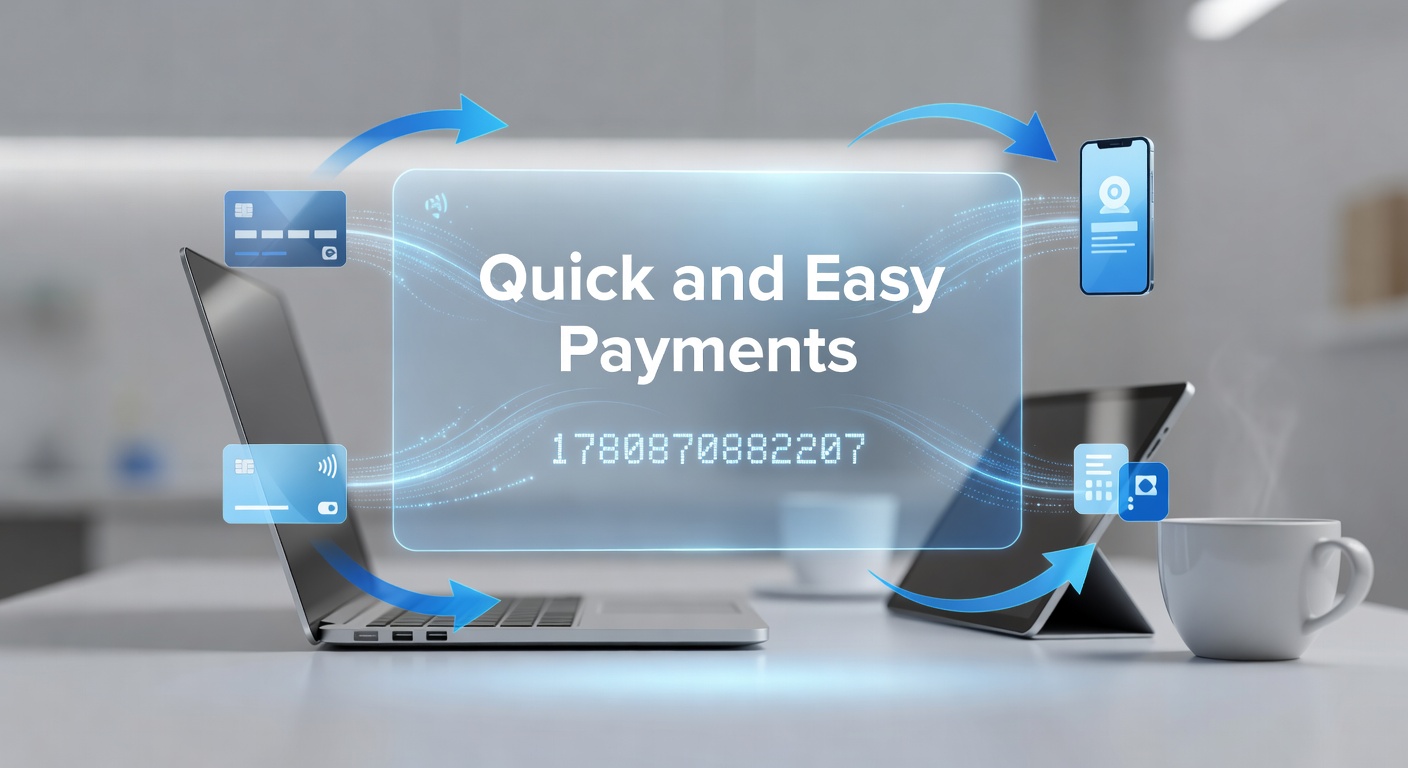
Payment systems have evolved rapidly over the past decade as consumers and businesses seek faster transaction methods that reduce wait times at checkout, and data from the Federal Reserve indicates real-time payment volumes in the United States grew by more than 40 percent between 2023 and 2025 while similar trends appeared across other developed markets. Observers note that these systems rely on standardized protocols which allow funds to move between accounts in seconds rather than days, and researchers at the European Central Bank have documented how such infrastructure supports both person-to-person transfers and merchant settlements without requiring traditional batch processing cycles.
Many payment networks now integrate with mobile devices through near-field communication chips, and this approach lets users complete purchases by simply tapping their phones against readers instead of inserting cards or entering PINs each time. Figures released by the Reserve Bank of Australia reveal that contactless transactions accounted for over 85 percent of all card payments in that country by early 2025, while adoption rates in Canada and several Asian economies followed comparable trajectories according to regional banking reports. Those who've studied these patterns point out that the underlying technology reduces friction for small-value purchases, which encourages higher overall spending volumes without increasing the risk of errors at the point of sale.
Global Infrastructure Developments
Countries have built dedicated instant payment rails to handle high volumes of low-value transfers, and the Faster Payments Service in the United Kingdom along with India's Unified Payments Interface demonstrate how different regulatory environments can produce similar outcomes in speed and accessibility. Data shows that India's system processed more than 10 billion transactions monthly by mid-2025, whereas European initiatives under the TARGET Instant Payment Settlement framework achieved comparable daily averages in the same period. People often find that these platforms connect banks directly rather than routing through card networks, which lowers per-transaction costs and enables 24-hour availability across time zones.
Security measures within these systems typically combine device authentication with behavioral analytics, and studies from academic institutions in Singapore have examined how machine learning models detect anomalies in real time without introducing noticeable delays for legitimate users. The Bank of Canada published findings in 2025 that highlighted the effectiveness of multi-factor verification layers when combined with tokenization, noting that fraud rates remained below 0.01 percent for instant transfers despite rising overall volumes. Such outcomes suggest that robust backend monitoring can coexist with the speed consumers expect from modern payment flows.
Adoption Patterns Through Mid-2026
Projections shared by industry analysts indicate continued expansion into new use cases through June 2026, particularly in sectors such as utilities and subscription services where recurring collections benefit from automated authorization features. Reports from the Bank for International Settlements show that cross-border instant payments began pilot programs in several regions during 2025, with settlement times dropping from multiple days to under one minute in tested corridors between Europe and parts of Latin America. Those monitoring these developments observe that regulatory harmonization efforts play a central role, since differing data protection rules can otherwise create friction for service providers operating across jurisdictions.
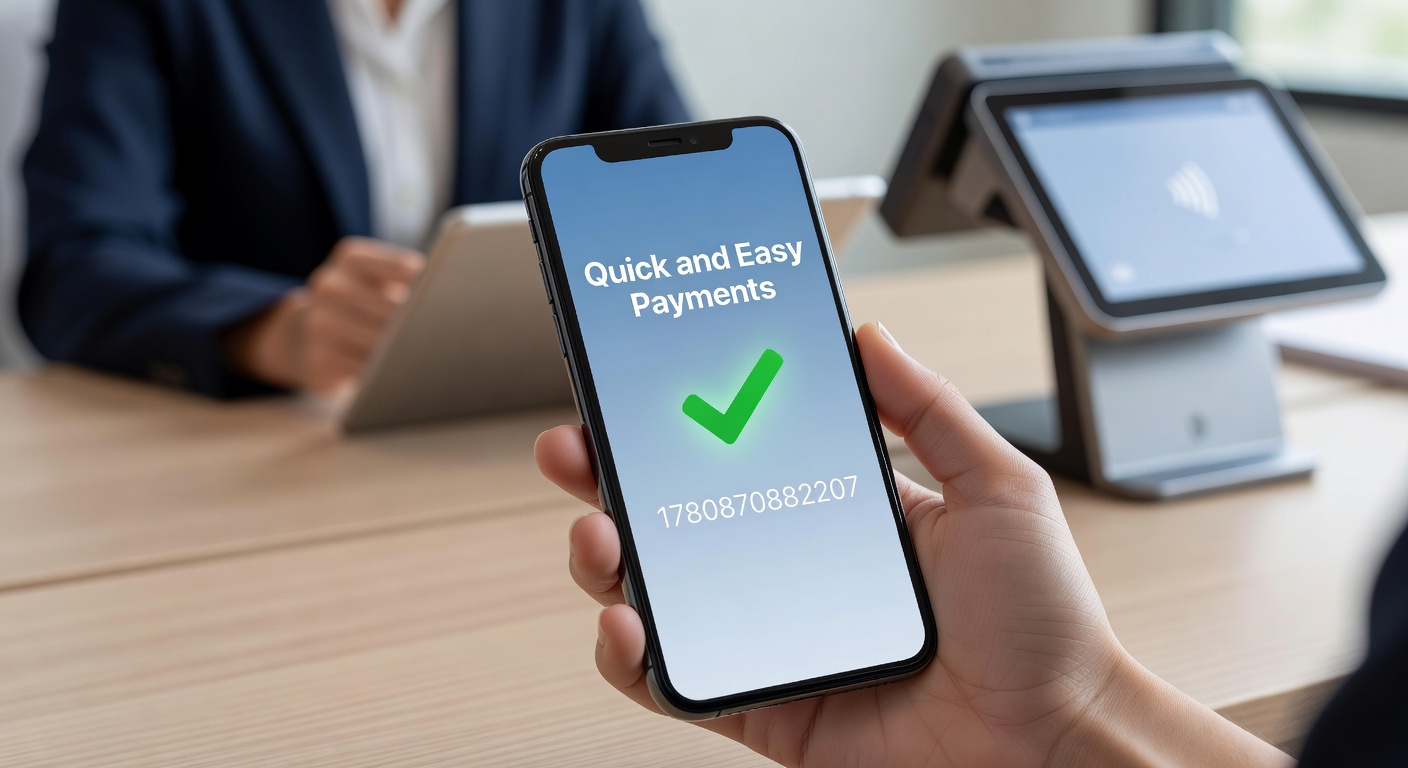
Small businesses represent another area of rapid uptake because simplified onboarding processes allow merchants to accept digital payments without investing in expensive hardware beyond a smartphone or tablet. Research conducted at the University of Toronto's Rotman School of Management found that Canadian retailers using instant payment options reported measurable reductions in cash handling costs and reconciliation time, while similar case studies emerged from Australia and New Zealand through local central bank surveys. What's interesting is how these efficiencies scale even for micro-enterprises that previously relied solely on cash or basic card terminals.
Consumer Experience and Accessibility
Interface design influences how readily individuals adopt new payment methods, and designers increasingly prioritize single-screen confirmation flows that minimize steps between intent and completion. Accessibility standards now require support for voice commands and screen readers in many regions, and guidelines issued by the European Commission have encouraged developers to build inclusive features from the outset rather than retrofitting them later. Data collected by national statistical agencies shows higher participation rates among older demographics when applications offer customizable notification preferences and straightforward dispute resolution paths.
Wallet applications aggregate multiple funding sources into one interface, which simplifies management for users who maintain both credit and debit options along with occasional cryptocurrency holdings in select markets. Observers note that integration with loyalty programs further encourages habitual use because rewards accrue automatically without separate scanning or entry processes. The result is a seamless experience that aligns with daily routines rather than requiring conscious effort at each transaction point.
Future Outlook and Regulatory Context
Policy makers continue to refine frameworks that balance innovation speed with consumer protections, and upcoming consultations scheduled for June 2026 in several jurisdictions aim to address liability questions around failed instant transfers and unauthorized access scenarios. Central banks in Asia and Europe have already published draft rules that emphasize transparency in fee structures and clear timelines for error resolution, while maintaining the core promise of near-instant settlement. Those who've followed these discussions understand that consistent standards across borders will determine how widely these systems expand into everyday commerce over the next several years.
Conclusion
Quick and easy payments now form a foundational element of modern commerce as infrastructure matures and adoption broadens across consumer and business segments alike. Evidence from multiple regulatory bodies and research institutions confirms that transaction volumes continue climbing while security protocols keep pace with emerging threats. As new use cases emerge through 2026 and beyond, the focus remains on maintaining reliability and accessibility without introducing unnecessary complexity for end users.