Rental Revenue Redefined: Instant Mobile Collections, API-Powered Bill Automation, and Layered Fraud Barriers for Property Owners
26 Apr 2026
Rental Revenue Redefined: Instant Mobile Collections, API-Powered Bill Automation, and Layered Fraud Barriers for Property Owners
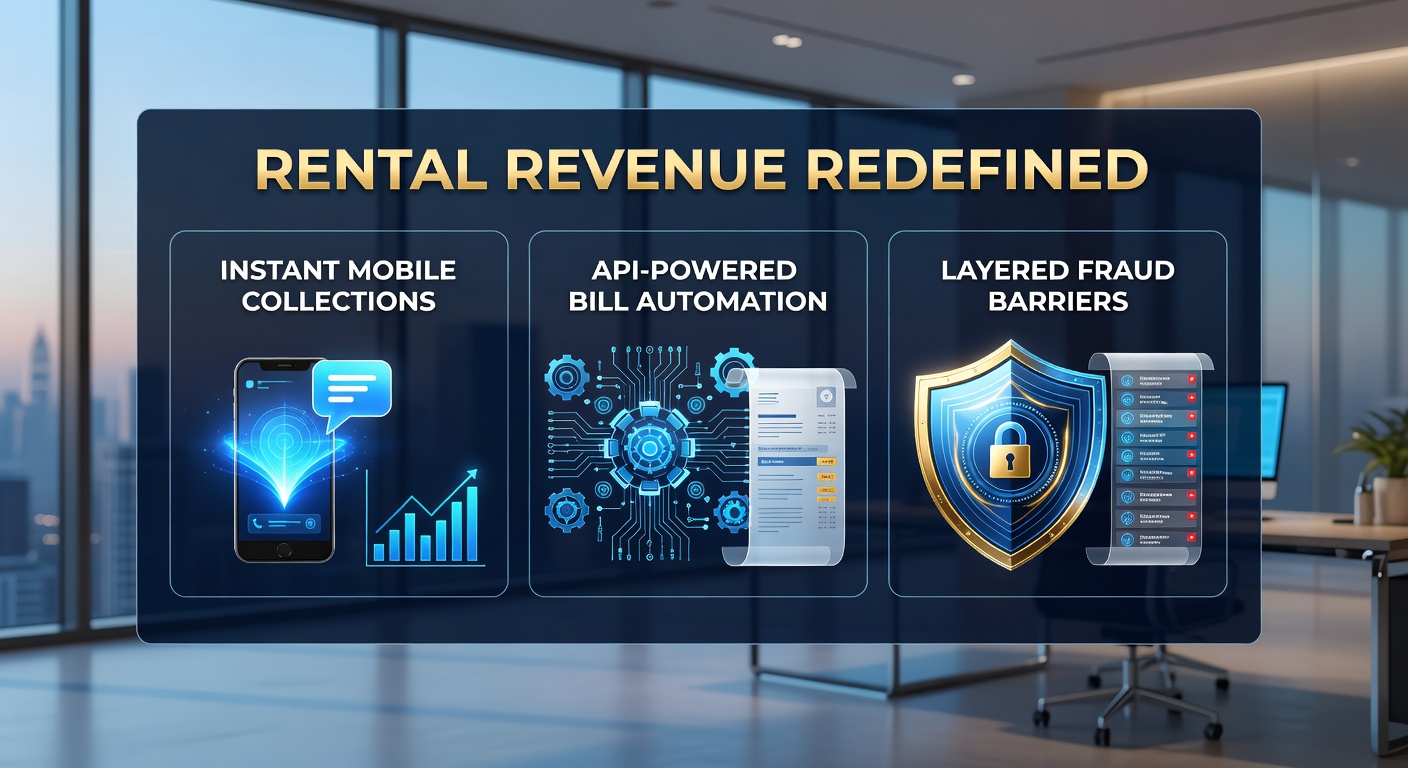
The Evolution of Rent Collection in a Digital Age
Property owners once relied on checks dropped in mailboxes or awkward door-to-door collections, but that's changed fast; now instant mobile collections let tenants pay rent with a tap on their phones, speeding up cash flow while cutting down on late payments that used to drag on for weeks. Data from the National Multifamily Housing Council reveals that over 65% of U.S. renters prefer digital payment methods, a trend that's pushed property managers toward tools that deliver funds in real time rather than waiting days for bank processing. And here's the thing: this shift doesn't just convenience tenants; it stabilizes revenue streams for owners dealing with everything from single-family homes to sprawling complexes.
Take one mid-sized property firm in Texas; they switched to mobile-first systems and saw collection rates climb 20% within months, according to their internal logs shared in industry forums. Yet challenges persist, especially around automation and security, which is where API-powered bill generation and multi-layered fraud defenses come into play, transforming how owners handle billing without endless manual entry or vulnerability to scams.
Instant Mobile Collections: Speed Meets Simplicity
Mobile wallets like Apple Pay, Google Pay, and even bank apps now integrate seamlessly for rent payments, allowing tenants to settle bills from anywhere—be it during a commute or late at night—while owners receive notifications and deposits almost immediately. Figures from recent surveys indicate average collection times dropped from 5-7 days to under 24 hours for adopters, a game-changer since cash flow directly ties to maintenance budgets and mortgage payments. But it's not just about speed; these systems support recurring authorizations, so tenants set it once and forget, reducing no-shows that plague traditional setups.
Observers note how QR codes posted on doors or sent via text make one-time payments effortless, particularly for short-term rentals where guests rotate quickly; one study from a university housing lab found participation rates doubled when mobile options appeared alongside paper methods. And while setup takes minutes through user-friendly dashboards, the real payoff shows in reduced administrative hours—property teams spend less time chasing payments, freeing them for tenant relations or property upgrades.
- Real-time confirmations via push alerts keep everyone in the loop.
- Multi-currency support aids owners with international tenants.
- Offline queuing ensures payments process even in spotty signal areas.
API-Powered Bill Automation: Streamlining the Backend
APIs act as the invisible glue connecting property management software like Yardi or AppFolio directly to payment processors, automating everything from invoice creation to reminders and final settlements without a human touch. Developers build these hooks to pull tenant data, calculate exact dues including late fees or utilities, then push personalized bills straight to mobile devices or emails; the result? Bills generate nightly, payments auto-reconcile in ledgers, and discrepancies flag instantly for review. Research from the Canada Mortgage and Housing Corporation highlights how such integrations cut billing errors by 40%, a stat that resonates across borders as similar tools roll out in Australia and the EU.
What's interesting is the customization; owners tweak rules for grace periods or escalation paths, and APIs scale effortlessly from 10 units to thousands, handling peak months like back-to-school without breaking a sweat. One case from a Vancouver firm showed automation slashed their accounting staff needs by half, redirecting savings into energy-efficient retrofits that boosted property values. Yet scalability isn't the only win—APIs also sync with calendars for lease renewals, embedding payment links that make transitions seamless.
So picture this: a tenant's bill auto-adjusts for prorated days if they move mid-month, sends via SMS, collects via tap, and logs it all; that's the flow experts have observed in high-adoption portfolios, where revenue predictability rivals subscription models like Netflix.
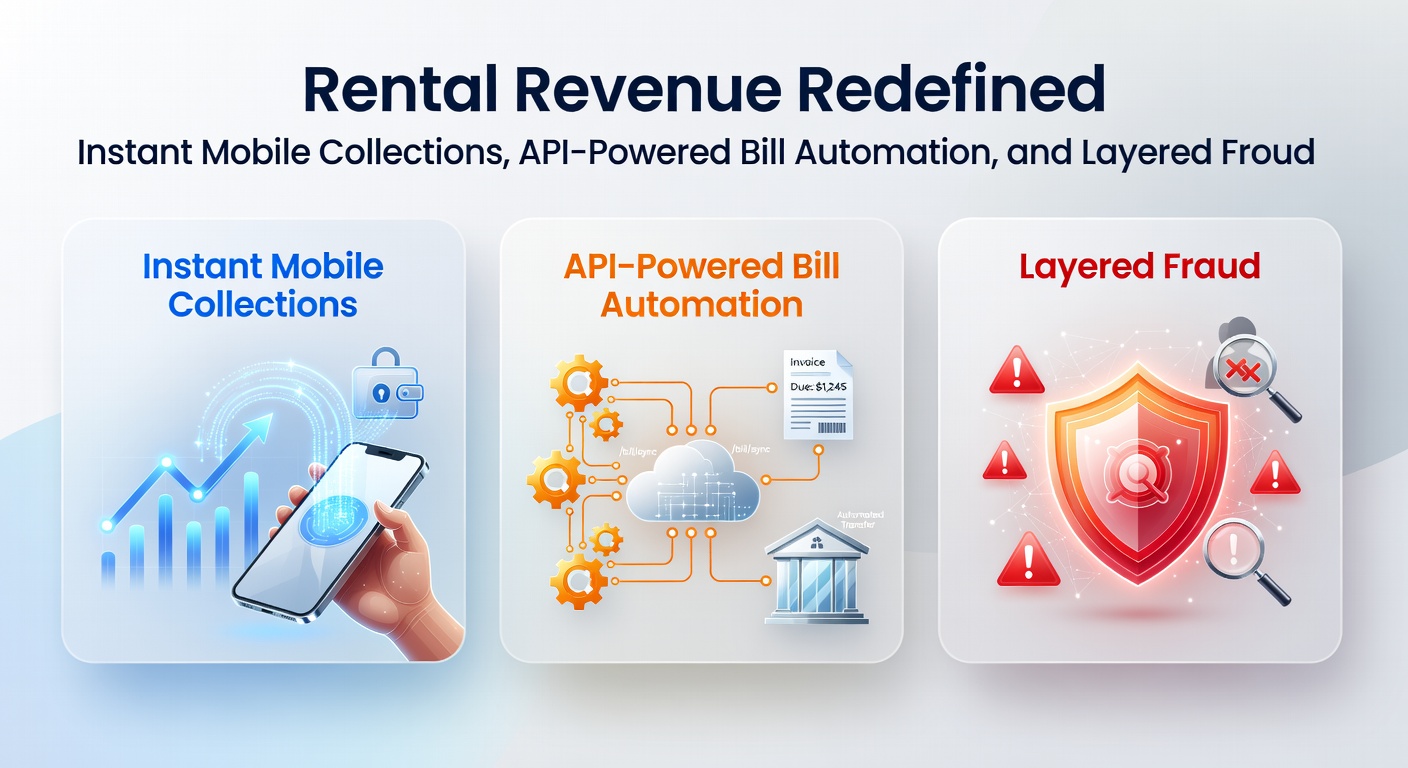
Layered Fraud Barriers: Protecting Revenue Without Friction
Fraud hits rentals hard—fake ACH transfers or stolen card details siphon millions yearly—but layered defenses stack checks like device fingerprinting, velocity limits, and AI anomaly detection to catch threats before they land. Processors scan for patterns such as rapid small payments from new devices, cross-reference IP geolocations against tenant addresses, and even analyze typing speeds on virtual keyboards; if something flags, holds kick in while owners get alerts, all without blocking legit users. Data indicates these systems block 95% of attempts while approving 99% of genuine transactions, per processor benchmarks shared at industry conferences.
Turns out, multi-factor prompts via app or SMS add another shield, especially for high-value collections; one Midwest owner thwarted a $50,000 ring by enabling geo-fencing that rejected overseas logins during off-hours. And since regulations tighten—think upcoming EU PSD3 rules by April 2026 mandating stronger transaction monitoring—these barriers future-proof operations, blending compliance with usability so tenants barely notice the security humming underneath.
Experts who've studied breaches point out how blacklists sync across platforms in real time, sharing intel on bad actors; that's where the rubber meets the road, turning isolated properties into a networked defense that keeps revenue intact.
Integration in Action: Real-World Synergies
These elements don't operate solo; instant collections feed API automations for instant ledger updates, while fraud layers wrap the whole stack, creating a fortress that's tough on crooks yet gentle on users. Case studies from Orlando complexes reveal 15% revenue lifts after full rollout, with vacancy rates dipping as reliable payments encouraged longer tenancies. People often find the dashboards intuitive too, offering drill-downs into trends like peak payment days or fraud hotspots.
Looking Ahead: Trends Shaping Rental Payments by 2026
By April 2026, blockchain verifications and embedded finance will layer in, per forecasts from tech analysts, allowing smart contracts to auto-enforce leases with payments tied to occupancy sensors. Australian regulators push similar innovations through updated digital ID standards, while U.S. states experiment with instant ACH rails that settle rents federally overnight. Observers note how voice-activated collections via smart speakers gain traction in senior housing, blending accessibility with security.
Yet the core remains: tools that prioritize speed, smarts, and safety; property owners adopting early position themselves ahead, as data shows laggards face 10-15% higher delinquency amid economic shifts. And with global renter populations swelling—projected 1.2 billion by decade's end—these systems scale to meet demand without proportional cost hikes.
There's this one anecdote from a Sydney portfolio manager; they layered in API fraud checks during a pilot and caught irregularities that saved six figures, now standard across their holdings. It's noteworthy how such stories multiply, signaling a redefined landscape where revenue flows steadily, fraud fades, and owners focus on growth.
Conclusion
Instant mobile collections, API-driven automation, and robust fraud barriers converge to redefine rental revenue, delivering faster funds, fewer errors, and ironclad protection that property owners can't ignore. Studies confirm adopters enjoy tighter cash cycles and lower risks, while tenants appreciate the ease; the path forward involves picking scalable platforms that integrate smoothly, especially with 2026 horizons bringing even smarter features. In the end, those who layer these tools win big—revenue redefined, one tap at a time.