Safeguarding Velocity: Real-Time Fraud Defenses in High-Speed Merchant Payment Flows
19 Apr 2026
Safeguarding Velocity: Real-Time Fraud Defenses in High-Speed Merchant Payment Flows
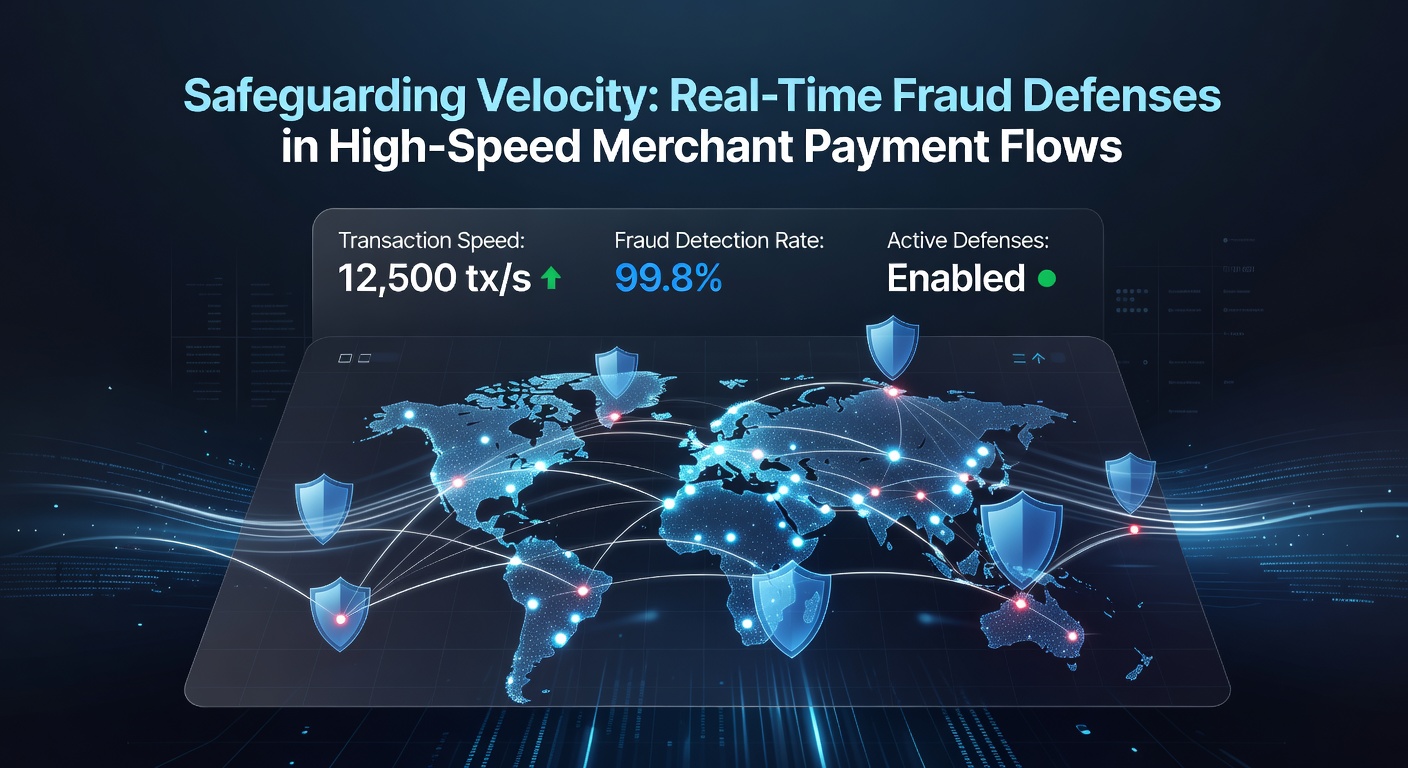
The Rise of High-Speed Payments and Mounting Fraud Pressures
High-speed merchant payment flows have transformed retail landscapes worldwide, enabling transactions that clear in seconds rather than days; networks like the U.S. FedNow Service, launched in 2023, now process millions of payments daily, while Europe's SEPA Instant Credit Transfer handles over 1 billion transactions annually as data from the European Central Bank reveals. Merchants embrace these systems for their velocity—customers expect instant confirmations at checkout, whether tapping a contactless card or scanning a QR code—yet this speed introduces vulnerabilities that fraudsters exploit ruthlessly.
Turns out, fraud losses in real-time payments skyrocketed 25% year-over-year in 2025, according to figures from the PCI Security Standards Council, with account takeover attacks and synthetic identity fraud leading the charge; observers note how criminals leverage stolen credentials or AI-generated profiles to siphon funds before merchants even blink. But here's the thing: traditional batch-processing fraud checks, once sufficient for slower rails, fall flat here, leaving gaps that demand defenses operating at the same blistering pace.
Experts who've tracked these shifts point to a core tension—velocity versus security—where delays for manual reviews kill conversions, yet unchecked flows invite chaos; one study from Australia's Reserve Bank found that 40% of real-time payment fraud attempts succeed when basic rules-based filters alone guard the gates, underscoring why merchants now pivot to layered, instantaneous protections.
Unpacking the Fraud Threats in Lightning-Fast Flows
Fraud in high-speed merchant payments manifests in patterns that evolve faster than yesterday's defenses can adapt; friendly fraud, where legitimate customers dispute valid charges post-purchase, erodes 15% of revenue for online retailers as research from the Association of Certified Fraud Examiners indicates, while sophisticated schemes like triangulation—where crooks buy gift cards with stolen data only to resell them—thrive in the anonymity of instant rails.
And then there's the rise of ATO, account takeover, hitting e-commerce hardest; attackers breach weak passwords or phishing-lured sessions, draining wallets in under 10 seconds, a timeframe that outpaces most legacy systems. What's interesting is how regional variations play out—Canada's Payments Canada reports a 30% uptick in such incidents tied to mobile wallets, whereas in the EU, PSD3 proposals aim to mandate stronger customer authentication precisely because data shows unauthorized transactions costing €2.5 billion yearly.
People often overlook velocity-specific risks too, like flash attacks where bots hammer endpoints with micro-transactions designed to overwhelm; one merchant processing group discovered through incident logs that these bypassed velocity checks 70% of the time until real-time behavioral analytics stepped in, flagging anomalies on the fly.
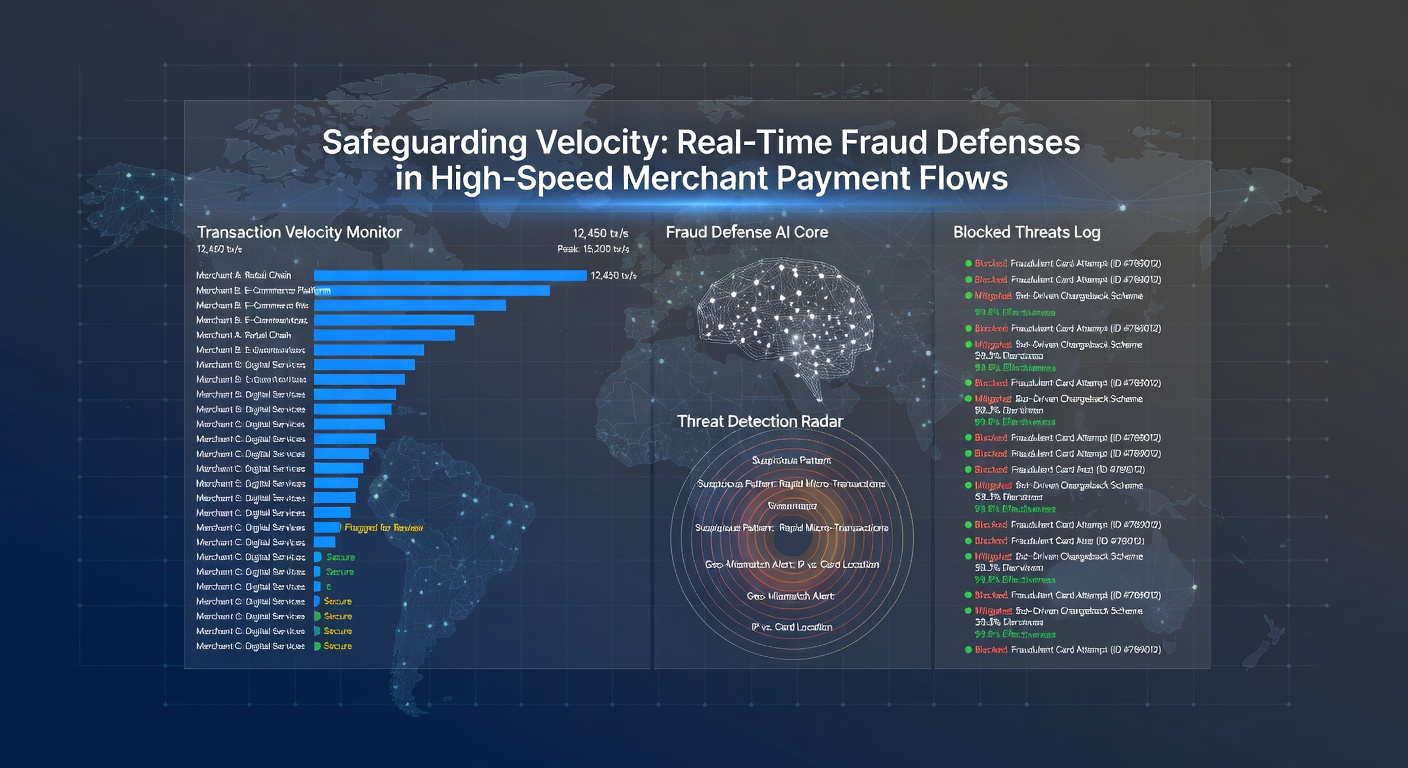
Core Pillars of Real-Time Fraud Defenses
Machine Learning Models That Learn and Adapt Instantly
Machine learning sits at the heart of modern defenses, scoring transactions in milliseconds using vast datasets of historical patterns; these models analyze over 1,000 signals per payment—from IP geolocation mismatches to unusual spending spikes—and assign risk scores that trigger actions like step-up authentication or outright blocks, all without halting the flow. Data from Visa's 2025 fraud report shows such systems reduced false positives by 40%, letting 95% of genuine transactions sail through unscathed.
But it's not just static rules; unsupervised algorithms detect zero-day threats by clustering outliers in real time, a technique one fintech firm deployed to thwart a novel promo-code abuse ring that targeted high-volume merchants during peak holiday rushes.
Device Intelligence and Behavioral Biometrics
Device fingerprinting captures immutable traits like screen resolution, browser fonts, and hardware IDs, building profiles that persist across sessions; when a payment deviates—say, a sudden switch from iOS to an emulator—the system flags it instantly. Layered with behavioral biometrics, which track keystroke dynamics or swipe patterns, these tools achieve 99% accuracy in user verification as studies from the National Institute of Standards and Technology confirm, even on frictionless paths.
Take the case of a major Australian retailer: after integrating these in 2024, they slashed mobile fraud by 65%, because attackers couldn't mimic the subtle tremors of a customer's thumb on their familiar device.
Tokenization and Network Token Flows
Tokenization swaps sensitive card data for unique identifiers, rendering intercepted info useless; in high-speed flows, network tokens from schemes like Mastercard Digital Enablement Service refresh dynamically, tying provisions to merchant-specific risks. This approach, mandated under evolving regs like Singapore's upcoming PSS Act updates, cuts data breach impacts dramatically, since compromised tokens deactivate upon misuse.
Yet observers note a synergy with graph databases, which map relationships between devices, accounts, and merchants; spotting a token used across suspicious nodes—like a cluster of new high-risk e-com sites—triggers preemptive holds, preventing cascade failures.
Orchestration Layers for Unified Decisions
Orchestration engines pull these tools together, routing payments through decision trees that weigh scores holistically; if ML flags velocity spikes and biometrics detect proxy use, the flow pauses for silent checks, resuming seamlessly for lows or escalating highs via SMS OTP. Platforms like those from Forter or Riskified process billions this way, boasting sub-50ms latencies that preserve checkout momentum.
Real-World Deployments and Lessons Learned
Merchants who've rolled out these defenses share compelling outcomes; a U.S. grocery chain, battling $10 million in annual friendly fraud, integrated ML-driven dispute prediction, which reviewed 80% of claims pre-chargeback and recovered 55% through automated evidence gathering. That's where the rubber meets the road—proactive interventions that turn potential losses into retained revenue.
In Europe, a cross-border fashion retailer faced triangulation gangs exploiting SEPA Instant; by layering device graphs with EU-mandated SCA exemptions for low-risk flows, they blocked 92% of attempts while lifting approval rates 12%, as internal metrics tracked post-deployment. And down under, an Aussie fuel network confronted pump skimming tied to real-time apps; token provisioning plus geo-fencing—restricting approvals to verified station radii—nipped 78% of fraud, per their audit logs.
These cases highlight integration pitfalls too; legacy POS systems often lag, causing 20-30% signal loss until APIs unify data streams, a fix that forward-leaning acquirers now prioritize.
Looking Ahead: Trends Shaping 2026 and Beyond
By April 2026, full ISO 20022 adoption across major rails will flood systems with richer data—merchant categories, remittance details—that fraud models devour for sharper predictions; regulators like Canada's Office of the Superintendent of Financial Institutions push this, expecting 50% better anomaly detection as pilot data suggests. Quantum-resistant cryptography emerges too, fortifying tokens against future threats, while federated learning lets models train collaboratively without sharing raw data, preserving privacy.
Embedded finance amplifies stakes; non-banks handling payments inside apps demand defenses that scale elastically, with serverless architectures handling Black Friday surges without a hitch. It's noteworthy that global standards bodies forecast a 60% drop in real-time fraud rates by 2027, driven by these converging techs, although persistent challenges like cross-border inconsistencies linger.
Conclusion
Real-time fraud defenses have evolved into indispensable guardians for high-speed merchant flows, blending AI precision, biometric nuance, and token resilience to match criminal ingenuity stride for stride; merchants who orchestrate these layers not only curb losses—projected at $50 billion globally in 2026 per industry forecasts—but also boost trust and conversions in an era where every second counts. As networks accelerate, those prioritizing velocity-safe innovations stay ahead, turning potential pitfalls into seamless commerce triumphs.